
If you have ever noticed black speckles on the front vanes of your split system, or caught a whiff of something like a damp towel when the unit first turns on, you are looking at and breathing in mould.
In Far North Queensland, this is common because warm, humid conditions encourage mould growth.
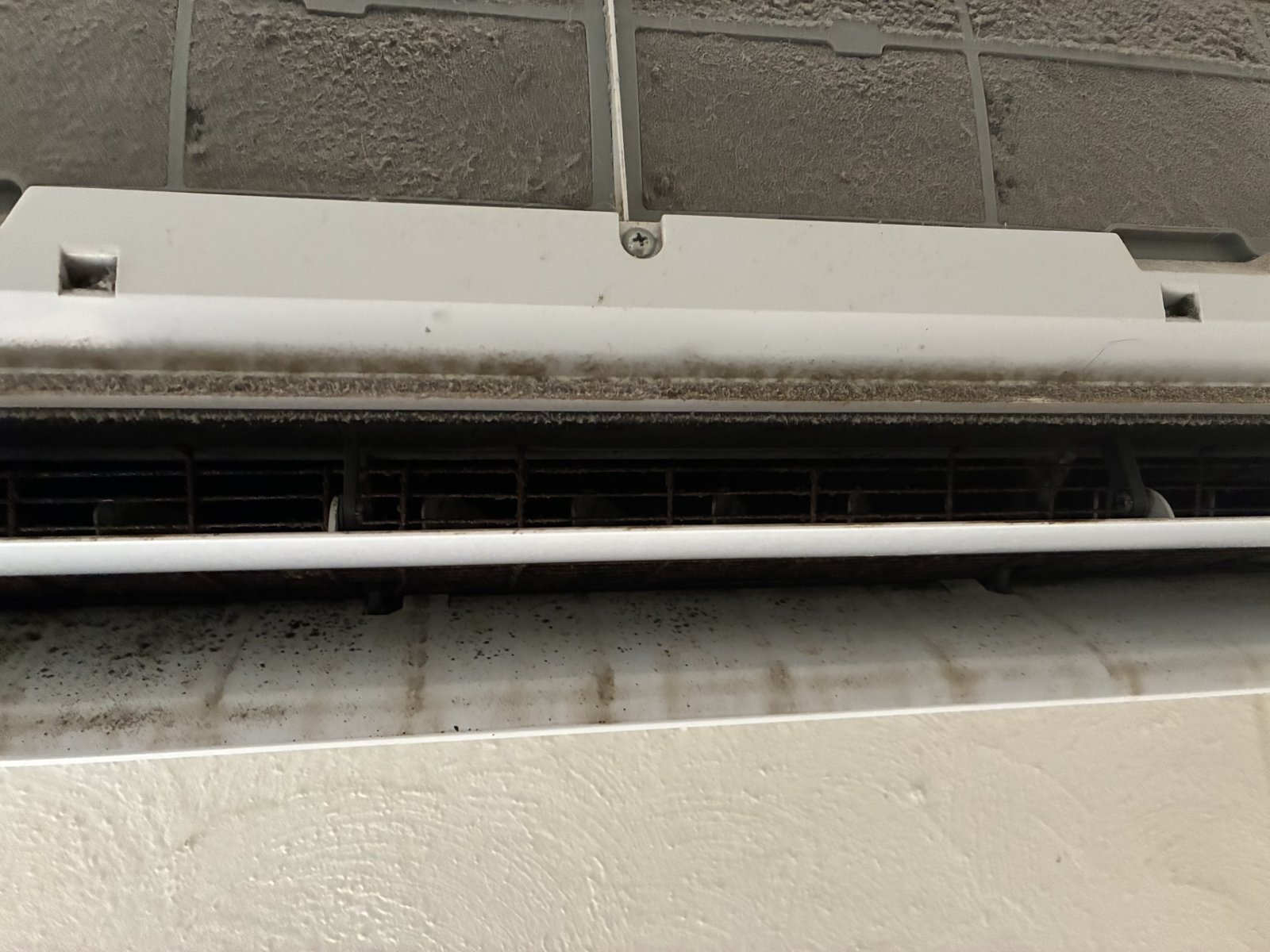 Before
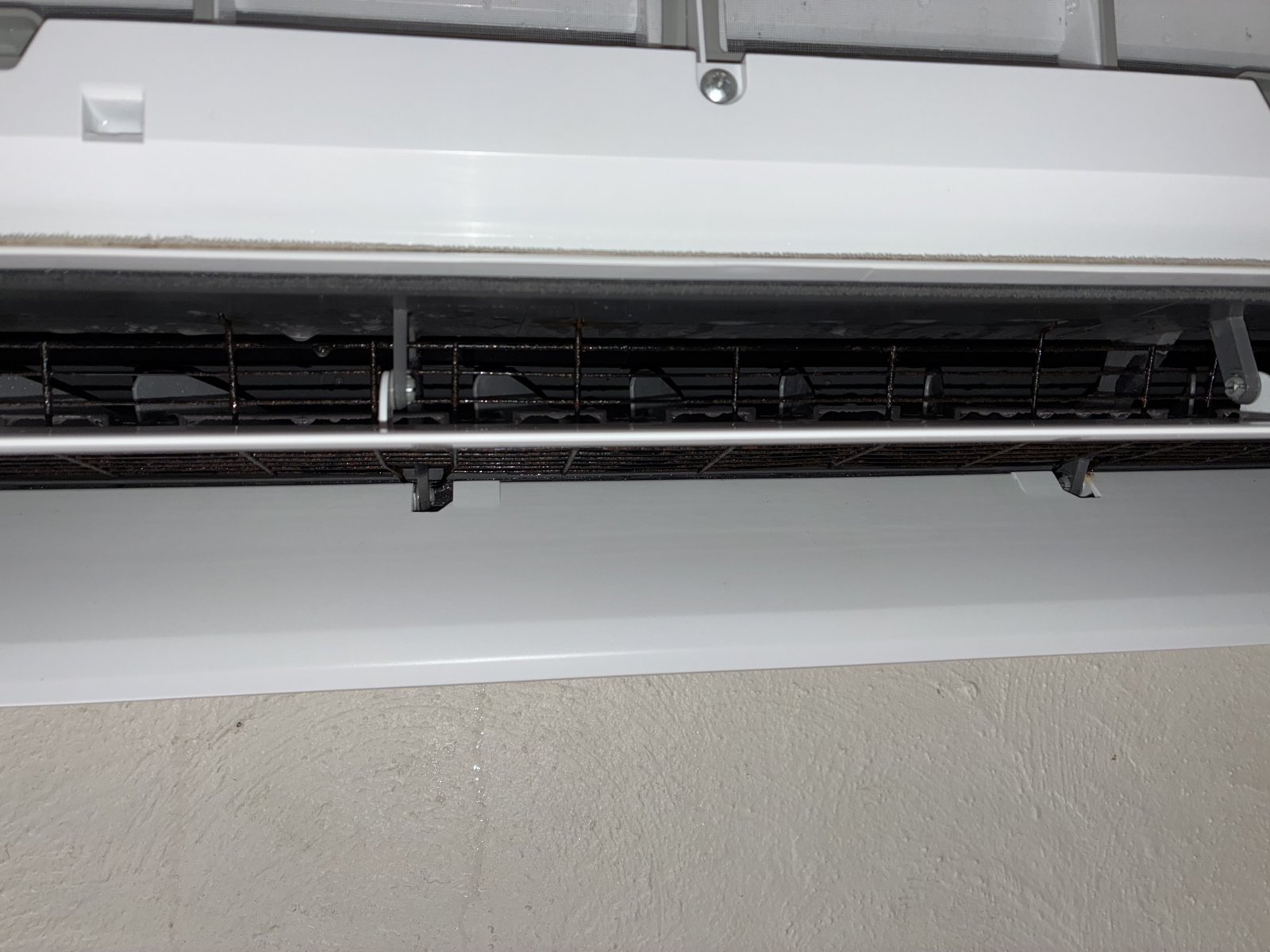 After
AfterWhy Is Tropical Queensland Such a Mould Factory?
Mould needs three things: moisture, warmth, and a food source. The inside of an aircon evaporator gives it all three.
- Warmth: even on cool mode, the coil sits in a warm, dark housing
- Moisture: every cooling cycle pulls litres of water out of humid coastal air
- Food: dust, skin cells, pollen and cane-field particles that the filter does not catch
Down south, this build-up takes years. In Innisfail, Tully or Mission Beach, the same growth can happen in a single wet season.
What Does Mould in an Aircon Do to Your Health?
The spores blown out of a mouldy split system can trigger a range of respiratory and allergy symptoms.
These include persistent sneezing or a runny nose especially in the morning, itchy eyes and throat while the aircon is running, worsened asthma and hay fever, frequent colds in children and older family members, and a general stuffy, heavy feeling in the room.
If symptoms appear to change when the air conditioner is running, seek advice from a qualified health professional and consider having the unit inspected.
Health Effects You Might Be Blaming on Something Else
Mould exposure from a running aircon is easy to overlook because the symptoms mimic common conditions. If anyone in the household experiences the following on a regular basis, a mouldy aircon could be the source:
- Morning congestion that clears once you leave the house
- Sneezing or eye irritation that worsens when the unit kicks on
- Children getting sick more often than usual during the wet season
- Asthma flare-ups with no clear environmental trigger
- A persistent musty smell in the room even after cleaning
The pattern is the clue. If symptoms ease when you are outside and return indoors with the aircon running, the unit needs a clean.
What Can You (and Can't You) Do Yourself?
Wiping the front grille and washing the plastic filters is a good fortnightly habit. It is not a mould treatment. The mould lives deep in the evaporator fins and on the barrel fan, neither of which you can reach without dismantling the unit.
DIY mould sprays from the hardware store often make things worse. They push spores deeper into the coil and leave chemical residue that feeds the next bloom. Professional treatment can reach build-up that surface wiping cannot.
If you want to stay on top of the basics between services, our filter cleaning guide walks through the safe steps.
Suspect mould in your split system? Book a proper clean
Book online in under a minute, or call your local ARC-licensed team for a straight answer.
What Does a Professional Mould Clean Involve?
When ACcleanQLD treats a mouldy split system, the process covers every contaminated component, not just the accessible surfaces. We:
- Bag and protect the wall and floor below the unit
- Remove the cover, electronics and barrel fan
- Pressure-wash the coil and fan with a professional sanitising treatment
- Flush and treat the drain line, which is typically full of biofilm
- Reassemble, test and verify temperatures and airflow
You will see the runoff. It is not pretty, but it confirms exactly why a filter clean is never enough.
A standard split system mould clean takes between 45 and 90 minutes depending on the severity of the build-up. For homes with multiple units, we recommend booking all units in the same visit to save time and call-out costs.
Are Box Aircons and Ceiling Cassettes Worse for Mould?
If anything, the older box-style units and ceiling cassettes common in FNQ schools, offices and small businesses are even more prone to mould.
Their larger drip trays and longer drain runs give mould more places to hide and more time to develop between services.
ACcleanQLD services all three types across the Cassowary Coast. See our aircon cleaning services for the full breakdown.
How Often Should You Get a Mould Clean in FNQ?
In tropical Queensland, a professional clean every 6 to 12 months is the standard recommendation, not the 12-month interval that applies in cooler parts of Australia. Homes near the coast, with pets, or with occupants who have asthma or allergies should lean toward the six-month end.
The wet season is the natural trigger. If your last service was before last wet season, your unit is already overdue.
Frequently Asked Questions
How do I know if my aircon has mould?
The most common signs are black or grey speckling on the front vanes, a musty or damp smell when the unit first turns on, and unexplained allergy or respiratory symptoms in the household. If you notice any of these, the unit is likely contaminated.
Can mould in an aircon make you sick?
Yes. A mouldy aircon circulates spores through your living space every time it runs. This can trigger sneezing, congestion, itchy eyes, asthma flare-ups and frequent colds, particularly in children, the elderly and anyone with existing respiratory conditions.
Is wiping the filters enough to remove mould?
No. Filter cleaning removes surface dust but does not reach the evaporator coil or barrel fan where mould colonies grow. A professional hydro-chemical clean is required to treat active mould build-up.
How often should I get a mould clean in FNQ?
In tropical Queensland, every 6 to 12 months is recommended. Homes near the coast, with pets, or with occupants who have allergies or asthma should lean toward the six-month end.
Does ACcleanQLD service commercial properties?
Yes. We service homes, schools, small offices and commercial sites across the Cassowary Coast, including split systems, box aircons and ceiling cassettes.
Ready to Stop Breathing It In?
If anyone in the house is waking up congested, if the room smells off, or if you can see black on the vanes, it is time to act. Use our online booking tool to lock in a mould treatment that actually works.
Two minutes now, cleaner air tonight.
Book a mould clean and get your air back
Book online in under a minute, or call your local ARC-licensed team for a straight answer.
ARC Licensed – Lic. L194280